Essays
Deeper investigations into the varying and frequently misunderstood lives whose voices are far too often not permitted the time of day. If we are all products of our environment, then what exactly are our environments?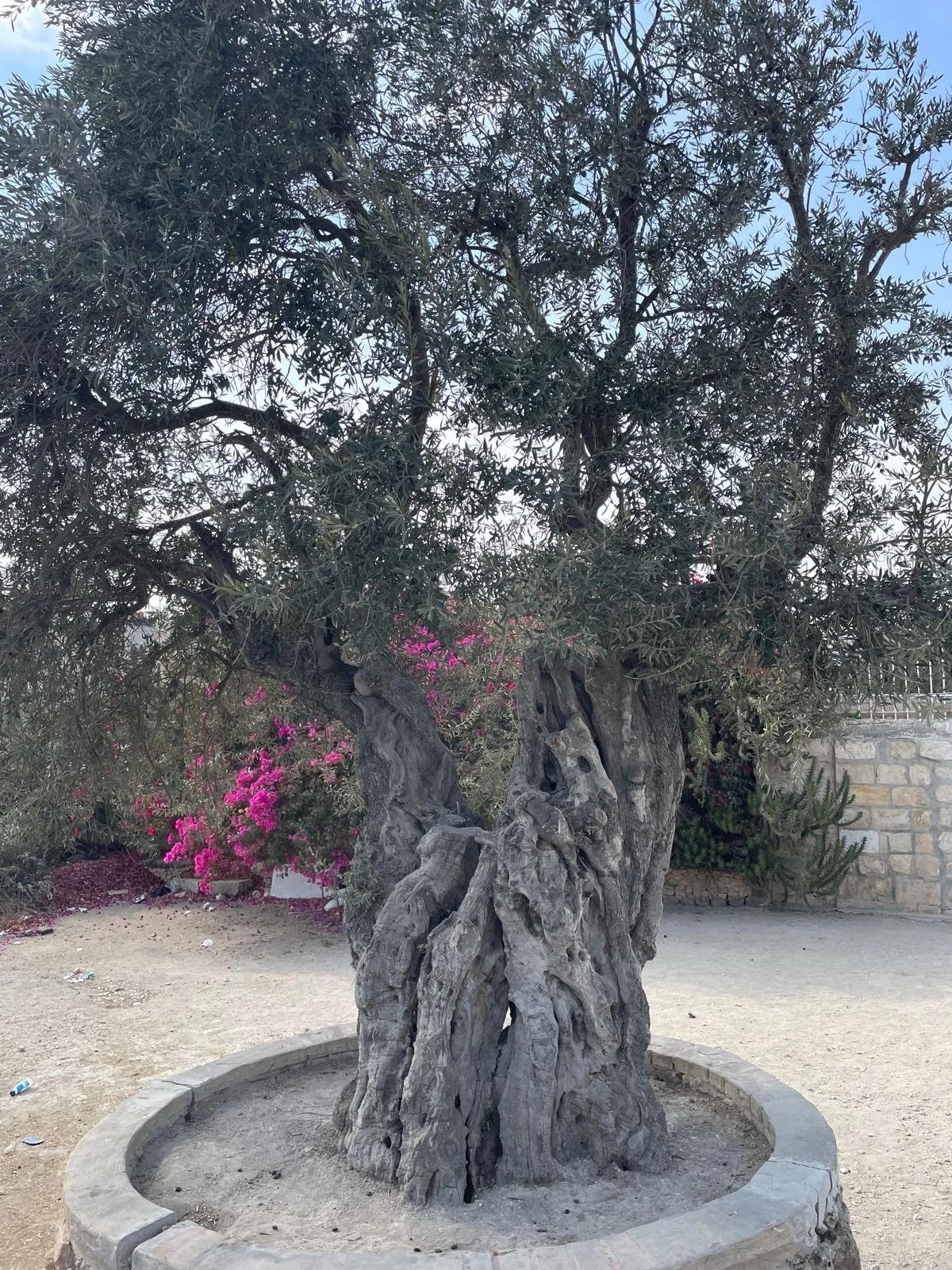
Because they Shoot
A snapshot of Israel & Palestine. A land which promises abundance, yet readily soaks up the blood and tears poured upon it.
Some names have been altered for security and privacy purposes
Day 1 - Jerusalem
Looking back upon my arrival to the Promised Land, prophesied to be flowing with milk and honey, it’s hard not to chuckle at the irony of just how dry and destitute it is.
The region, characterised by vast, stretching deserts distinguishable solely by the slightly changing composition of the cracked earth, seems instead to be the last place any sane pioneer would attribute to the adjectives of ‘plenty’ and ‘abundance’. It is a tough land, unforgiving and brutal. One which summons the total spirit and vigour of those who wander upon it, and then more. It demands a heavy flow of sweat, blood and tears to pour into its lifeless body just to coax the bare minimum in recompense.
Beyond the dull carpet of rock defining the southern plains perch the Judean Hills; its rocky, boldened faces no more fruitful or less barren than the wasteland festering at its feet. In fact, the entire sliver of the planet reserved for God’s Chosen People is plagued by the beating, inundating heat of the harsh sun, crafting any exposed topsoil into unyielding terrain and sapping any moisture that dares to try and bury away from its pervading rays. On this parched landscape, few have been able to establish a symbiotic relationship with the climate. The only survivors here, nay conquerors, are some shrubberies stubborn enough to persevere.
And, of course, the lord of the Levant: the humble olive tree.
Its twisting roots clench the resistant duricrust, standing strong against the beratement of the elements. Thick sage brush lines the limbs shading the clay-like trunk from the assault of the ablaze sky, permitting the luscious green flesh of its tender fruit to ripen in relative peace.
Naturally, as any sensible native to the infertility of this desert would figure, these imposing trees would have been unanimously considered the most suitable resting place for the slithering, creeping, crawling, and soaring creatures of the Holy Land during the particularly harsh portions of the day. Thus, as the sun reached its zenith, scorching the helpless earth, all would flock to this thankful refuge. The birds, taking respite after spending the morning hours patrolling the skies, huddle amongst the upmost branches whilst those bound by gravity unfurled in the sweet shade at its base or scamper up its stem. Although the nastiest portion of the day is well underway, the buzz of life drowns it out. Chittering, buzzing, squawking and rustling set the midday abode alight; a conglomeration of noise erupting from a vessel beset from the elements - something more reminiscent of Noah’s Ark than a parched desert.
As I sit upon the Mountain of Olives, my back comfortably wedged in the crevice between two creeping appendages of the trunk, I imagine the delight of every animal as a youngling is goaded by the sly taunts of its clan into latching its jaws into the hypnotising fruit swaying in the soft breeze before it. Then, as the poor critter recoils, stunned by the sharp bitterness that alights its tongue, the eager crowd of amused onlookers erupt into communal hysterics at the faultless naivety on show.
Waking from my daytime fantasy, as I also seek momentary shelter from the piercing heat of the region, even in November, I stand and brush the wayward flecks of bark off of my drenched back. Emerging from the cool shadow and wandering out to the edge of the lookout I had spent the better part of the day navigating to, it was difficult not to be taken aback by the revealing vantage I had of the bustling metropolitan below.
For through the cascading steps to the mountain’s base and over the road packed with shouting vendors roasting chestnuts, exhausted canines resting in the blanket of shade, darting shoeless children chasing a ball, and dusty cars clotting the thin vein of asphalt, is Old Jerusalem.
This city, this breathing relic, a labyrinth of limestone buildings woven together by glistening stone paths worn slippery smooth over thousands of years by sandaled pedestrians, is a place I can only describe as stubbornly anarchic. Despite being sectioned neatly into four districts, Jewish, Armenian, Christian and Islamic, sitting at the intersection of Israel and the West Bank, boasting twelve-metre-walls filtering people through seven designated city gates, all the while being actively patrolled by roving squadrons of IDF soldiers, this agora is anything but organised. The second you wander through Damascus Gate, you bear witness to indiscernible clamour and clutter.
Fresh produce spills out of shop windows into the street, as beady-eyed shoppers pack their baskets so full of the most colourful assortment of fruits, vegetables and spices that items placed precariously on top fall off and back into the displays they were snatched from.
These greengroceries, only a matter of steps deeper, are being alchemised in searing pans and roasting ovens, wafting enchanting aromas across the ancient agora. Stands, again seemingly pouring onto the walkways, display anything from toasty sifha and Jerusalem ka’ak to golden-brown falafel and mouth-watering shawarma. Customers line up for these delectable goodies without rhythm or rhyme, pushing and crowding around the cashier’s window to hoarsely order in four different languages at once from someone’s poor son or daughter. Who, typically, could only afford to set their eyes upon the impatient crowd sporadically between filtering through cash or communicating in a code of angry looks, grunts and, presumably, insults with the cooks behind them.
A few steps further down and one finds themselves swimming amongst anything from bejewelled necklaces to religious paraphernalia to espresso saucers. Need a phone battery pack: Got one right here. A life-sized tapestry of the Virgin Mary: It’s on the shelf to your left. Some shekels in exchange for your pesos: We can work something out. You could wander the shelves of these ‘anything-you-could-possibly-dream-of’ stores and encounter precisely that. Men and woman of all shapes and sizes walked in and, after a period of perusing the brimming racks, lined up with such distinct items that it wouldn’t be far-fetched to assume they had been teleported from opposite sides of the globe. However, the ensuing ten minutes of haggling each quickly dissolved such an illusion.
This wild swirl of vendors was interrupted every so often by a mammoth of spiritual significance. Al-Aqsa beckons the devoted into its welcoming arms to fulfil salah within striking distance of where men and woman weep at the Church of the Holy Sepulchre, their tears watering the ground where Jesus’ body once lay. Armenians reflect pensively under the frescoes and chandeliers of the Saint James Monastery whilst a steady stream of Jews flow into the foreground of the Western Wall, pressing their pious lips upon the limestone.
This endlessly diverse maze cannot, however, totally escape the grasp of central planning, the imposition of order. Places of worship are designated spaces, clear of alternative influences and appropriately situated within their assigned sector. Cooked food, raw produce and merchandise appear to be cordoned somewhat into zones, their interweaving resembling something more like lapping waves than a whirlpool.
Yet, the reverberations of this colloquial melting pot extend far beyond any attempted imposition of segregation.
Orthodox Jews, draped in rekel’s and donning fedora’s atop their payot’s casually rub shoulders in passing with women in niqabs, concealing everything but their glistening green eyes. Christian patriarchs sporting thick, grey beards engage in deep, searching conversation with their Jewish, Armenian and Muslim counterparts, dunking biscuits into sweet black coffee. Stumbling tour groups attempt to squeeze past them without stepping on Donald Trump-endowed kippahs with their left foot, a basket of crosses with their right foot, or losing all composure and catapulting into a display rack of keffiyeh’s.
The city, the 0.9 square-kilometre enclosure of arguably the highest spiritual significance in human history, has a unique heartbeat. A chaotic, yet steady rhythm. A rhyme rooted in life, transcending millennia. Akin to the hypnotic footsteps shuffling down beaten paths. To the whirl of impassioned hollers ricocheting off the crowded buildings. To the knickknacks clattering, pots firing, fruits being swept up, all in the same spectacular motion. A heartbeat shared by all walks of life, all faiths and expressions, claustrophobically entangled within the towering walls of the city
Even the dehydrated desert and the bare mountains that surround them on all fronts, offering nothing and taking everything, couldn’t prevent this rich spring. The harsh sun that scorched all who dared to challenge it failed disastrously at reducing this cosmopolitan to ash.
Perhaps this is why the olive tree is the symbol of this land. Why it stands tall whilst its neighbours wilt. Why, in this unforgiving region, this particular flora so effortlessly dots the rolling hills and thirsty plains. It may well be that God’s gift, His divine present, isn’t a literal fountain of milk and honey bursting from the ground. Maybe it’s the opportunity to rest, to collect oneself, to escape into the refreshing shade, together. To find solstice from the harshness of the earth, from the relentless trials inherent to the quest for survival. To chitter, buzz, squark and rustle in the embrace of leaves. To, all in our own diverse way, share the little moments of tranquillity.
Perhaps the olive tree is all one needs.
Day 2 - Ramallah
For the past few days, I had been able to traverse Israel almost totally by train, a comfortable and certainly efficient mode of getting around. Unfortunately, to pierce the West Bank, my sole option was bumpy coach.
So, braving myself to lug along the awkward suitcase I foolishly packed to the brim, I headed to the interchange. Immediately, I ran into the havoc of morning activity. Street vendors parked their overflowing carts half-on, half-off the sidewalk, permitting only a narrow stream of cars to squeeze through. Everyone and their mother clotted any remaining walkway, from abrupt workers shoving and pushing through anyone in their blazing path to small crowds who thought the best place to conduct their morning meet-and-greet was smack bang in the middle of whoever trying to get past .
As such, it was certainly by some miracle that I hadn’t lost a wheel or made any sworn enemies by the time I found myself at my destination.
Awaiting me was a strikingly different climate. Mistakable for a graveyard if not for the consistent arrival and departure of transport, the station was a bleak place. The terminus was a sterile slate block, with a couple of smudged windows overlooking the ranks. The only signs of life were a few loitering workers with dejected looks in their eyes, one or two clean-shaven men with wonky ties and untucked shirts clutching briefcases, and a mother attempting to shush the small tribe that tailed her. Oh, and the huddle of uniformed soldiers strapping intimidating assault rifles over their shoulders and passing a case of cigarettes around.
I scampered to the bay outlined on my ticket and was greeted by a driver whose comically thick moustache gave off the impression that his mouth was also permanently downturned.
“Ramallah”, I stated, holding my screen out to him like a bumbling child. His dark eyes searched me up and down, glanced at the outstretched phone, then found themselves on me once more.
A consenting grumble, an almost indiscernible wave of the hand, and I was aboard the bus.
Entering the West Bank was something, as best as I can put it, exceptionally obverse.
Almost instantly after leaving Jerusalem, the bus rode through an imposing checkpoint. Raw barbed wire sprawled out along either side of the lanes guarded by the customs office, making it abundantly clear passing was heavily conditional. Our side, thankfully, was relatively clear and ushered onwards without being subjected to the scrutiny of officers flipping through documents. The fate of those opposite wasn’t so kind, based on the long, long, long, long (did I mention long) line that had piled up and was continuing to grow.
The only security that border control deemed necessary was a huge, bright red sign warning incomers: “This road leads to Palestinian villages. The entrance for Israeli citizens is dangerous”.
Once the Holy City was in the rearview, the roads turned from smooth sailing to a stew of loose rocks, potholes and dirt. Quickly, the true scenery of this dry, dusty nation, well-masked by the dazzling wealth of Tel Aviv and the romantic Mediterranean, was exposed for what it is. The billboards atop the streetside stores converted from Hebrew script into Arabic, advertising businesses that revealed themselves to primarily be rundown shacks upon closer inspection. A channel of pedestrians filtered alongside the bumper-to-bumper traffic, travelling at a similar rate to the air-conditioned vessels on their sides but bearing significantly more exhaustion. Those who could no longer battle the sweltering heat found solace on plastic chairs cluttered under the tin roofs of one institution or another, leaning back in exasperation. Crimson sand coated everything from the road’s edge to just about every crevice it could find, from shop walls to divots in the furniture, coating itself head-to-toe upon the clothing of those who wandered in.
The contrast between the two worlds, I learnt before even stepping off the bus, was a stark one.
The distance between Jerusalem and Ramallah is about 21km. The driving time, however, around 2 hours. So, by the time I arrived in Ramallah, it was already past midday.
After trekking from the (in)conveniently located terminal at the bottom of the city, stopping at a hole in the wall to ask where the nearest bathrooms are and being guided into a private spot up the road, getting hospitably treated to a round of complimentary fatayers whilst the locals tried to deduce how a white boy found himself in Palestine, and then finally locating the impossibly disguised hotel entrance, it was closer to 2pm.
Checking in, I was led to my room by a stout, balding man visibly ecstatic based upon the passion he exhibited when listing off all the amenities available during my stay; most generously a coffee and cigarette in the foyer once I was settled in. Prioritising security, I booked one of the most expensive tourist residences available, allowing me a spacious room and ensuite smack-bang in the city centre at the bank-breaking cost of $75 AUD. However, based upon the ghostly stillness of the halls, accentuated by the row of open doors broadcasting the uninhabited rooms, travellers were few and far between.
Lopping my bag onto the floor, ripping the shirt now welded to my back off and treating myself to the lovely ice-cold stream of water dribbling out of a hole on the side of the rust-brown shower head, I was finally ready to embark on a self-guided voyage of the city.
Now, I would call myself a reasonably fit guy. Young and energetic. Springy even. But trying to fit a comprehensive tour on foot into the handful of hours I had left in the day was certainly an ego-check. If I could attribute one thing to this landscape of Ramallah, it would be this: bloody hilly.
The city, literally translating to ‘God’s Hill’, is a vertiginous concoction of twists, bends, curves, steps, peaks and troughs. Its centre however, the flatest part of the locality, consists of an interwoven grid of streets absolutely teeming with shops, people, cars and the coarse aroma of spice and grilling meat.
Each vendor, as far as my gaze could gather, didn’t possess stores which ran deep inwards, giving customers ample space to dine or shop away from the elements. Browsers instead waded through rows of coat racks arranged neatly on the sidewalk, forcing on-comers to divert their path onto the road if they wished to get past. Everything from bakeries to shawarma kiosks displayed their mouth-watering goods through immaculately scrubbed glass display cases, conducting business through a choreographed flurry of pointing and hurried exchanges of cash for steaming food. Groups of men and women of all shapes and sizes crowded around petite outdoor tables to dine, barely large enough to fit everyone, sipping and gobbling on the treats before them.
The more of these cafés I came across, which wasn’t difficult since there was one every other store, I found that the average gathering was overwhelmingly middle-aged men, either with protruding stomachs or glaring bald sports (often both), alternating hands for what must have been the entire afternoon between a cigarette and thick, murky shot of coffee. They sat everywhere, talking, laughing, jeering and yelling. Sometimes they leaned forward, seemingly engaged in a conspiracy demanding absolute, unwavering attention. Sometimes they fell backwards into their chairs, bellowing hearty laughs at the amusing expense of someone in their stories. It felt as though the entire city was rife with people simply sat there, chatting. Their demeanour, the air of their indifferent laxness, made it clear that these rendezvous’ weren’t planned, with a spot selected prior and a time set aside to mingle with friends before other responsibilities of the day dragged them back to reality. This, it appears, was their life. The community that surrounded them, from their loved ones to their fellows, was the spotlight of the day.
Beyond this central square however, those hills I mentioned came violently into play. Manoeuvring around the outer circle of the city meant scampering up hills home primarily to residences and stepping cautiously around the small piles of litter or chunks of stone lining the footpath. Each turn meant an adventure sharply upwards or steeply down, past blocks that were either totally vacant outside the dotted piles of rubbish and rubble or towering apartment complexes stretching ten-plus stories high.
Eventually, once the heat was beginning to subside and the night began creeping into the sky, I reached a clearing on the western ridge of the city. To my left lay the parched, stretching hills, dotted by brush that felt harsh to the skin even from a distance. To my right stood Ramallah herself. A weather-worn collection of limestone buildings wedged deep into the mountainside
From here, the city seemed almost abandoned. A cascading arrangement of poorly maintained, chipped, cracked structures sheltered the noise of the bustling metropolitan beyond. At the edge of the city, other than a couple of housing complexes, the land was cordoned off by black wire fences, barring access from, again, more rubble and rubbish.
With the sun dipping beyond the horizon, I found myself back in the urban centre. In fact, if I was oriented correctly, I was actually standing on the road running along the rear of my hotel, which I had briefly glanced from my window. Preparing for the business of the following day, I figured the best thing to do was grab a quick feed to smash down whilst I got myself organised. Right on cue, a waft of charcoaling meat carried down the street by the gentle evening breeze, summoning me to it like a cartoon character smelling a freshly baked pie cooling on the windowsill.
But, before I could take a step, a shuddering boom pierced my eardrums. Shocked, I narrowed my eyes in the direction of the cracking sounds, revealing a thick cloud of smoke rising over the building just beyond the corner of the block.
Shrill shrieks quickly drowned out the reverberations of the explosion, only to be overwhelmed by a succession of rapid lighting-like strikes, a flurry of thwoop-thwoop-thwoop from behind the structure. The wailing intensified, crescendoing in both pain and fear, now partnered by enraged howls. Smoke continued to billow upwards, metamorphosing from a dense grey to a wispy white.
Just behind my frozen figure, the clothing vendor began to calmly, hypnotically, pull his racks teetering off the sidewalk onto the street and pack them into the confines of his store.
Bursting through the wall of despairing commotion with a deep rumble, three menacing, ashen-grey tanks rounded the corner and began barreling towards me. I jumped backwards, a little too abruptly so that I captured the flickering eyes of those near me. In a matter of seconds the ghastly machines of war rolled right past me, tearing into the tarmac with their metal tracks.
In red-hot pursuit were a pack of boys, the oldest probably around twenty whilst the youngest couldn’t have been more than nine or ten. In their juvenile hands, they brandished anything they could whip at the multi-million-dollar weapons blowing past. Stones and sticks were the instruments of choice. One wielded a broken plank of wood, which I suppose wouldn’t have been pleasant to be hit upside the head with. The passionate chase followed until the next crossroad, where they stood tall in rebellious unison against the bringers of destruction.
I tore my attention back upon the smoke still rising above the roof, unable to block out the grieving sobs which hadn’t subsided in the slightest. Just out of view, I had no choice but to assume the worst; that some horrific injury, or worse, had been inflicted.
Slowly, the people around me began to break the unsettling silence which had possessed us and started to disperse quietly in the opposite direction or chatter between themselves, all too casually for my comfort. Exhaling the wound-up gasp caught in my chest, I figured it would probably be best to follow those filtering out of the immediate vicinity.
As I reached the crossroads where the youthful neighbourhood watch stood guard, still hurling what I could only guess were insults at the tanks which now sat stationary all the way down the road, I realised that I could just make out the faint whooping of an ambulance. It was coming from, it seemed, just beyond where the tanks were.
Yet, for what felt like an eternity, the three combat vehicles just squatted there. Stationary. Motionless. Blocking anything from getting past with their rugged armoured husks. The sirens blared frustratingly, stuck just beyond the scene of the emergency. I could still hear them, just as faint, as I rounded the block and entered back into my hotel.
It was only once I had made my way up the elevator, down the corridor and into my hotel room that I could hear their screeching siren grow louder. Poking my head out of the window, I peered down just in time to see them zoom past the spot I had stood and grind to a halt just around the corner. I’m not sure how much clamouring ensued upon the arrival of aid. From four floors up, I was too far out of earshot to pick up on the commotion. However, a few minutes later, I could hear the squeal of burning rubber as the ambulance bolted off in the opposite direction.
Eventually, the smoke parted completely and any stir remaining dissipated. Life resumed its normal tempo, the sun gave way to the moon, and the rhythm of the night took over Ramallah. The vendor pushed his clothing racks back out onto the street and the stream of pedestrians resumed their steady flow.
The coaxing aroma of frying meat and browning bread drifted up to my window, beckoning my appetite. I didn’t go down to appease it though. My hunger had disappeared.
Day 3 - The People of Palestine
I treated myself to the indulgence of a sleep-in this morning, not having to be at my destination until about 11am. Well-rested and refreshed, the tense aftereffects of the previous day’s events on my nervous system were fading, and I was ready to take on the next curveball Palestine was rearing up to pitch.
Pushing through the front doors and onto the street, the acuteness of the dry, stuffy air caused me to stumble a little after a night coddled by air-conditioning. The street was, as expected, in full swing; a choreographed rush of motion and hubbub. Of course, also starring the troupes of lounging patrons already enjoying their third coffee and fifth cigarette of the day.
Almost instantly, the intoxicating aroma of baked goods filled my nostrils and, paired with the roar from the pits of my stomach, lassoed me without great effort in its direction.
Behind the display case of steaming-hot breads and pitas, a young man weaved expertly between the oven, shelves and shopfront, exceptionally careful not to make a single wrong move and snag the trip-wire cast by the stern glare of an old, hijabed woman overlooking the operations in the far corner.
“As-salamu alaykum”, he greeted cordially, turning to the counter to face me.
“Wa alaykum as-salam”, I replied, exhausting the full extent of my Arabic. “Can I have that meat one there?”
“Ah, English!” he exclaimed, a joyful smile lighting up his face. “Yes, yes, welcome”. Earnestly, he scooped up a smouldering beef pide and slipped it effortlessly into a brown paper bag.
“Five”, he explained, enunciating the price by showing me his open palm, sliding the pastry onto the countertop. In return, I slid the coin across to him.
“Where are you from?” he inquired.
“Australia”.
“Ah, Australia!” he remarked. “You fight spiders and sharks every day!” he declared, erupting into a contagious laugh that I couldn’t help but join.
“And snakes”, I added, much to his delight.
“I want to visit Australia; you have a very beautiful country”.
“We do; you should come!” I affirmed, caught up too emphatically in his kindness to recognise what were certainly empty words.
He smiled warmly at my entertainment of his fantasy, although a slight sadness flashed behind his deep brown eyes. We both knew very well that the West Bank was the furthest he was ever likely to venture.
“Why do you come to Ramallah?” he questioned.
I hesitated, unsure of how truthful an answer to provide.
Because I was curious? Because I wanted to actually hear from Palestinians about the struggle they were enduring? A Western man, able to pack his suitcase, tour a land plagued by oppression and violence, superficially empathise with those whom I encounter, and then quite easily depart what is for some an open-air prison so I can make next week’s classes. Too honest. Too privileged. Too lucky.
“I have been told Palestine is a beautiful country full of beautiful people and food”, was the response I decided upon. “I just had to come and see it”. A smile grew across his face, pleased to be recognised as belonging to a culture worthy of reverence for its qualities.
“Thank you, thank you. You are welcome here anytime”, he beamed. He pulled out his hand, extending it towards me over the glass showcase.
“I am Ahmad, you?” “Pat”, I declared, giving his hand a friendly, gracious shake.
“Can I ask”, I inquired gently, searching the lines of his face for an answer, “what happened with the tanks yesterday? I heard lots of shooting and screaming”.
He shrugged his shoulders indifferently, his eyes resting upon mine compassionately.
“This happens always”, he replied. “The Israeli are angry when we throw rocks”.
“Then why throw rocks?”
“Because they shoot”
***
Despite being only a few minutes’ walk from the bakery, not a crumb of that delicious bread and charred mince remained by the time Maps notified me that I had arrived.
Before me, however, was not the café that I had grown used to seeing. There were no tables littering the sidewalk. No fully-grown adults balancing tediously on stools. No stench of burning coffee beans and tobacco. In fact, I wasn’t even facing a café. Rather, a sandstone-block archway greeted me, crammed uncomfortably between two other stores, shrouding a narrow flight of stairs just inside its threshold.
However, hidden away on the floor above, awaited a sweeping dining room capable of inviting in hundreds of customers. It was the last place I expected to stumble across based on the cafés I was familiar with encountering insofar.
Varying earthy brown tiles drape the roof, sharply contrasted by the ivory walls. Barstools accompany benches and mismatched chairs surround square ceramic tables, filling the surprisingly vast space. Pictures, bowls, tapestries and paintings decorate the room, sprinkling colour and spice with artistic flair. Standalone shelves or planks nailed into the walls display rows of books and board games, and a couple of TV’s are broadcast to the room from a central brick pillar. Soft lightbulbs of different styles and shapes illuminate the room, although the sunlight piercing through the floor-to-roof windows does most of the job.
Taking a couple of steps into the hall, someone wanders out of the kitchen pass to my left and noticed my arrival.
“Sabah al-khair”, he began.
“Hello”, I responded, quickly stressing my foreignness.
“Ah hello”, he chirped. “You must be here for the interview?”
“Yes”, I confirmed.
“Good, good. Come with me”
He turned and began wading expertly through the haphazard array of tables dotting the dining area, prompting me to follow him. Reaching the back corner of the dining room, he waved me over to introduce myself to the two men seated in a nook of kilim-upholstered couches surrounding a coffee table.
Exchanging pleasantries, the older man, bald and clean-shaven, beckoned me to take the single seat across from him.
Muttering something to the younger man, his junior took the empty cup and saucer they had been drinking out of and left us alone.
Tayseer
“The café”, Tayseer began to explain, “is to show people how you can make something very beautiful from nothing”.
Owner and architect of Aleppo Café, his notoriety as a well-renowned painter and curator is sewn into the fabric of the café.
“The idea, recycling”, he stated proudly, “is how to make it beautiful from garbage”
“We make ceiling, table, fireplace, it's more close to nature. They make some changes. But I feel before it's more beautiful because the light from handmade, the bar handmade, when you enter this place – is all from garbage. We make it. When we open it, it's like, wow, something crazy in Ramallah. Most of the people and foreigners feel in love with the place.”
Economically, as I gathered from my introduction to the city and through Tayseer, it has become increasingly difficult to scrape by in Ramallah. Funds dedicated to the Palestinian Authority, through taxes levied by Palestinians or other avenues, as Tayseer explained, are often withheld by Israel. As such, the situation has trended downwards in the city for many years, now being further exacerbated by the war in Gaza.
Rather than wallowing in misfortune, however, the café instead represents the embrace of these circumstances.
“We have making something in this place about the relationship, the target people in this place is young & old people, family and students.”
“They give opportunity for people to play some games on the table”, he clarified. “This gives people opportunity to talk and express themselves about what's going on. People need in such situation like this to meet each other and to talk and to negotiate about the general situation. So it's kind of feeling we are alive instead of in that situation. We try.”
Aisha
“We have a very mixed identity, to be honest. It's not clear. We don't have a communication ourselves, like what we want, where we are standing”
Aisha, a mother, wife and central female figure of Aleppo Café, sees Palestinian identity not as a single identifiable value, belief or tradition, but rather something extracted from the diversity of the country.
Hebron, for example, the largest city in Palestine, assumes a much more conservative character than Ramallah. She describes it as an exceptionally family-central, traditionalist community.
“It's a family core community”, she states. “Sometime even after having a lot of kids you can see about a really big, big, big home with a lot of members. And sometimes they just make a tower for the whole family”
“My husband's family, all of his family live in Hebron”, Aisha related. “And that's actually how my mother-in-law, father-in-law family looked like. It's like a tower with the older brother on the first floor, the second floor, the mother and father, and that. They all just visit each other all the day long.”
“It has its advantage and it has its disadvantage”, she admitted. On one hand, “you feel that you are super supported in this community. Whatever happened to you, it's just a phone call and in one minute they will be there”.
But there are downsides attached to this traditional lifestyle as well.
“It won't be normal for them to see a girl and a boy sitting on the same table for any other reason than marriage. And they also won't accept people have different outfits or people wearing whatever they want. They have a model of what you wear should be looked at.”
These stringent expectations are something that Aisha and a lot of the Ramallah community is attempting to distance themselves from.
At cafés like Aleppo, there are groups “sitting in the café with mixed nationality, mixed genders and all of these things”.
“This is not the general vision, the general picture of Palestine, but it's more to Ramallah”, she reaffirmed.
Here, Tayseer is often seen working hand-in-hand with employees, without distinction between operations and ownership. When it gets busy, it isn’t uncommon to see customers walk in and prepare their own coffee.
On one of the café’s walls, frames display the headshots of every Palestinian politician, regardless of party or ideology. The fact that only some customers celebrate a certain individual, even if the majority do not, is enough to honour them on these walls.
Beyond the differences of custom and practice across the country, the café remains the foundation of community wherever one ventures in Palestine.
“Those are the places where we can go. Those are the places where we can go try to build the relationship outside of our workplace or outside of our homes, relative or universities”, Aisha elucidated.
“It is part of our daily life. Sitting at the end of the day after like a long day of working, long day of motherhood, long day of stressful work, stressful day life, we end up in the cafes.”
“What we are looking for is the atmosphere that the cafe is giving us. It's the relation that it's giving more than what kind of drink or food. When we started here, we were just, our memory was just like a few sandwiches, like soft drinks, cold drinks. And that made no difference when we brought the high-end chef. That was the same for the people because what they're really looking for is not this.”
“It's the place where we can feel comfortable, the place where we just hit all what are on our shoulders at the end of the day. So yeah, we deal with the cafes at it's our second [home].”
Being Palestinian, Aisha characterises, is not just defined by the interwoven relationships that establish communities. It is also the shared tumult which the entire nation experiences.
“It's kind of difficult to be in a place where you don't have, you can't lie, you can't think, you're not sure where you will be. You are in a community that we are not sure that we will continue that week.”, she explained.
Cafés, because of this, possess a symbolic importance. “We are almost a jail in the city. We are, to be honest, we are. And that's all that we have [cafés]. Those are the places where we can go.”
“We are lost. We are currently in a place we are seriously lost. We are not sure about what we lost, where we are going, and where we are standing. I'm not sure.”
“I do have dreams, but I'm not sure if my dream will be able to be implemented”, she sighed.
“What I want today might be just different if anything happened in this country. What I wanted two years ago was very different than what I do today. It was super different two years ago for people in Gaza than what I see today. And I think everyone in every place in the world has a different view of the Palestinian today than the one they had then”.
Darek
^Translation software required
Palestinian identity for Darek, the head chef at Aleppo Café, is rooted in the connection inherent in solidarity.
“We, as the Palestinian people, We have lived. We have lived through oppression. We have been treated unfairly. So if there is solidarity and connection amongst us, it resonates with our feelings and the pain we, as the Palestinian people, are well known to have experienced. We share some of our problems and defeats, just as we share our joys”.
Rather than separation from the customs and traditions of the people, Darek holds that the people of the land are strong as a consequence of them.
“We have embraced these customs and traditions, which have long been the backbone of a society that was once fragmented. These customs and traditions—family ties, kinship and physical bonds—are the cohesive force that holds people together in the Middle East. It is more than just customs and traditions; it is what we were brought up on. However much one may try to gloss over it, it is more than just customs and traditions. It is something we were brought up on from a young age – a sense of self-respect and family ties. And this is what strengthens our resilience on this land.”
This strength, Darek maintains, this unwavering commitment to the land and the people, stems from the fruits of Islam.
“The characteristics of believers towards one another are like a well-built structure, like a wall where each part supports the other. This is what brotherhood is, and this is what gives us strength. And this is what makes us, as Muslims, patient—the knowledge that we have brothers and sisters who feel for us there.”
“Firm faith in the heart is a source of strength in itself; it is what enables a person to walk without fear, and that is trust in God, Glorified and Exalted be He. I therefore hope that every person whose faith is weak may find their way to faith.”
Shadi
^Translation software partially required
“The idea of how Palestinians live is based on tolerance and coexistence because the land of Palestine is open to everyone”.
Shadi, general manager of the café and Aisha’s husband, believes community plays the ultimate role in shaping Palestinian identity. Especially community born out of tolerance and coexistence.
“Palestine is home to all heavenly religions and sacred sites for all religions”, he expressed. “Everyone who has lived on Palestinian soil has lived there with their religious or cultural identity, without infringing on anyone else’s rights or killing anyone. Coexistence was the basis of life in the recent period. Those who live there live there, those who love it love it, and those who leave it leave it.”
However, this is not the contemporary Palestinian experience.
Looking me deep in the eyes, he grabbed my phone off of the table. “The Palestinian story”, he began, waving my device, “someone, a thief, takes your phone”. Holding my phone out to me, I reach to take it back before he pulls it away. “Then”, he continued, gravely serious, “if you want your phone, you have to pay me, work with me, have me control you”.
This imposition of force, Shadi maintained, is central to Palestinian identity.
He showed me videos of Israeli settlers, hooded and masked, pulling off the road to set olive fields alight. His olive trees, Shadi told me, in the village he hadn’t been to in more than a year due to harsh travel restrictions. In the background of the video, voices could be heard screaming in rage and terror at the destruction occurring before them. Reduced to empty cries in fear of the guns brandished by the settlers.
“Kill people”, he warned, seeing my horrified expression. “Kill Palestinian people. Yeah, make many problems in West Bank. Every day, every day. You see some video from only olive season”
These abuses of power are not restricted to the independent actors terrorising the regions either. “Tomorrow, yeah. They [the IDF] are coming in the centre city, yeah. And close some door and supermarket, cafes.
For Shadi, this aggression does not manifest the desire to exact pain back upon Israel.
“I believe there is still an opportunity for coexistence and peace when Israeli reactions subside. Palestinians want to live in peace and tranquillity. A large part of the Palestinian people, and perhaps the Israelis, also want to live in peace and tranquillity.”
“The Palestinian people are tired and seek peace. It's not good for Israeli or Palestinian people to kill everything. For me, I want to make a nice family, nice family, nice house, nice home.”
This, however, is not the overwhelming consensus across the West Bank.
“There are many people who feel that they have lost their family, their home, or their land, while Israelis enjoy this home, this land, and its bounties. Those who have lost their brother, their son or their wife, we find that some people support transitional actions. This is a universal reaction among people towards the aggressor or those who take the initiative first, such as theft, and this is natural”
Hopefully, Shadi wishes, the people of Palestine will not be reduced to violence as the only remaining option.
“I believe that one of the most important outcomes of the October War was the change in the world’s view of the nature of the Palestinian-Israeli conflict, as it revealed the failure of the international system and international law. European and American youth were taught about democracy, rights and humanity, but these were proven to be failures, and that these organisations are merely formal organisations subject to American and Israeli control and will. This is a good reflection for us Palestinians because the Palestinian right exists and no one can deny it. This is a positive change towards change in the world.”
“I see some change but not now”, he predicted. “After 10 years, 20 years the idea and the people have a new idea. In New York in America, we see Mandani. This is the change. That’s not necessarily going to change right now here, but the world perspective changes.”
Duaajesus
A loyal customer to Aleppo Café, Duaajesus sees Palestinian identity as rooted deeply in the sufferings of its people.
The café, for her, is an escape from this.
“All the people know each other here”, she outlined, motioning around her. “And we come here to work here, study here, do a meeting for the workshop here. Everything we need is here.”
“All the people inside are friendly. You can eat, and the price is down. That's what we like here. And you see, we like talk together and we close here together. That's what we like here.”
“And then if we need to do something like a plan to the work, still we come here. And if you need like a worker, student, artist, if you come here, you'll find it.”, she stated.
Everyone in the café, every customer to waiter to cook, belongs to a network that includes everyone else.
Just because, on any given afternoon, she feels like sitting by herself to enjoy a peaceful meal and work on a project doesn’t mean she doesn’t know everyone else seated around her.
Professionally, Duaajesus ventures far beyond the quiet confines of Aleppo Café.
She works, nearly for ten years now, for a charity delivering aid packages for those displaced within the West Bank.
“We help poor people here in Palestine. We go to the Jenin, Nablus, everywhere they [Israelis] attack. We go here and we help them like a food stand or like rebuilding the home they've attacked.”
Shifting her seat shoulder-to-shoulder with mine, she opened a video on her phone to demonstrate what exactly her work demands.
Depicted on the 6” screen, I saw a field of makeshift tents and huts, constructed from cuts of rusted tin or dust-coated fabric. Their interiors were almost completely bare, with only just enough space afforded for a few people to cram in. Workers in white uniforms navigated through the sprawl of residences, handing out boxes of food, medicine and other necessities. The women who received the packages looked utterly exhausted, their shoulders slumping as they stared into the camera with heavy bags under their eyes.
The kids, alarmingly, were severely malnourished, only narrowly more than skin and bones. To receive their packages, they stumbled out the door, their ribcages protruding from their tiny brown chests. Yet their eyes shone so brightly with the joy of digging around and emerging with a tiny, colourful piece of plastic; as their parents rejoiced to see this burst of life in their frail figures.
The screen turned black, and Duaajesus turned to look at me. “How do we give them something about life?” she pondered. “Anything. I think we can do it”.
Seeing such intense suffering in her people, her neighbours, for so many years, Duaajesus cannot be anything else but fatalistic.
“If the people said we can go to peace with Israel, no, they’re liar”, she exclaimed.
“Because if you, like you, I'm A Palestinian and you're from Australia. If I hit you or I'm going to kick you out, kill someone to your family, can you go make peace with me? It's so hard. No, it's not so hard. It's impossible”.
“Before two years ago, three years ago, before the 7th of October, everything is different. Everything is more peaceful. Before you can go and talk to the Jewish, like easy, you know. ‘Excuse me, I want to go to there, something, anything you needed’”.
“[There was] peace to adjust to a little bit of the checkpoint, to go to travel, to work there, that's it. But not like a friendly... There's no chance to be friendly”
“Now, if you said something, [like] excuse me, before [you say] excuse me, you finish it, you will be die.”
Grimly, she confirmed a belief not exceptionally rare of Palestinians tired of being beaten around.
“Hamas, it's not like something is a black here, no. She tried to do something for us. That's it. Try to do something for the Palestinian. Hamas, she's not like the worst. No, she’s the best. Actually, I'm sure she’s the best. They try to do something for us. That's it.
“Actually, it's enough to all the people that know or all the world know that the best time, what is the best time? Thanks Hamas. That's it. Thanks Hamas. It's enough to the first time we go to the war, not the war come to us. Thanks, Hamas. All the world said Palestine, free Palestine. That's enough. To us, we winner. To us, we winner.”
Suhaila
Suhaila, another long-time customer of the café and (thankfully for me) local English teacher, identifies being Palestinian, and especially a woman, as the tense relationship one has with freedom.
“Here we are. We aren’t having our freedom!”, she declared.
“If you want to go, for example, to Nablus. You can go. But you will enjoy the checkpoints”.
“You talk about like 20 checkpoints, maybe something like that, just in Ramallah. If you want to talk about the whole [West Bank], we talk about 1000 checkpoints.”
“Sometimes when they close the checkpoints, the Palestinians stay at streets like 4 hours, maybe for the next days in cars. Without any reason, just because one soldier is going to do it”.
“If I want to come from Salfit [her village] to Ramallah, I wake up at 5:00 in the morning.”
“We are five villages near each other”, Suhaila related, speaking about where she was brought up. “Every village, every single village, there is a gate and a checkpoint in the gate. They closed the five gates on the checkpoints like for a month. We didn't know how to go out. So you couldn't get out”
The only alternative entrance and exit points were side roads, necessary to use for access to food and water. “But difficult for cars, difficult for people. difficult to use it. But they use it because we have to use it. There's no choice here. No choice. We have to use it. This is the only way for the five village”.
These instances are not alone consequences of October 7, but a frequent and long-standing bullying tactic.
“Some cities like Jenin and Nablus, so they close them, definitely close them. Nobody can go out, nobody can get in. So, other cities help them, get inside and outside. Some trucks stay outside the gates, and the people inside the city, the people inside the city stay behind the gate and took food or water for money from outside the gate”.
“Sometimes for months, another time two months, sometimes even three months.”
This drain on freedom for the Palestinians isn’t only upon their movement.
“Also, they took our money”, she continued. “Since 7th October, they stopped it. So we have no money. The government can't pay the salaries for the employees. Really, yes. Because we talked about like 200 million shekel, no more, 800 million shekel. They took from us, they took it.”
“Because we used to pay the salaries for the employee. from this. Since the 7th, they stopped giving us. Even though the 8 million shake is our right, they are for us. But they stopped giving again.”
As a consequence, poverty has begun to plague the bureaucracy.
“Inside the institution, just the workers work like for two days a week. Because there's no money to pay. They need vans as cars. They need money to buy stuff, to buy things. If they will work like six or seven days a week, they [the Palestinian Authority] can't handle it. No. they can't. So the government makes them work like for two days.”
“But the government can't give them their salary for it”, she explained sadly. They give them the salary after two months. Two months a salary, another two months the next.”
To make matters worse, this dry-up of funds flowing into the West Bank is not only squeezing out the administrative institutions.
“There's like 50% small businesses, they close their business because they can't keep on it. They stay without any business, any money, anything to do. They stay, they just stay at home”, Suhaila stated.
“And do many Palestinians attempt to leave?”, I questioned
“Yeah, but not many people”, she replied. “If he has a huge work, powerful work, he can.”
“They can't do it because they can't handle it to do it. They need effort, need money. They are stuck. Because the economic situation here...is systemic. The simplest thing, they can't get it. Talk about living, right to live. I told you something, the right to live. They don't have the right to live.”
“I saw yesterday”, I enquired, “when I was walking in the street and the trucks came past, there were kids throwing rocks at the trucks. But the trucks were responding with shots and…”
Cutting me off, she explained, “This is normal. It happens. This is how they react to kids throwing rocks at the car. It's just, it's not noise. As a way of life, it's accepted. Accepted, but it's not acceptable.”
Suhaila’s perspective on how to challenge the oppressive actions of Israel, however, seems to be wedded to her compassion for her people.
“I didn't see any good inside [the October 7th attack]. Because it makes things become much worse.”
“It's okay, it's defence, but there is mistake. They didn't study the step there. They didn't study the consequences. They didn't study how they will do it, what will bring to the Palestinian people.”
“This is our country, our land. We have the right to live. The Israelis want to take this right from us. In 1948, they started. So they are the ones who start the war. They are the ones who kill us first. They are the ones who destroy our houses, kills families, entire families. Not just one or two tired camps. Everyone has the right to defend himself. So this is because they started first.”
“Imagine you are put in the cage for years. When they want to give you food, they give you food. They don't want to, they don't. You can handle it for years, a thousand years, 10 years, you can handle it. If you saw him outside the cage, the one who prevent you from eating, from going to your cities freely, from doing your simplest right in life as a human, as a human. Would you stay still and watch him? If you have the choice to prevent him also from food, like what he did to you, will you do it or not? You will do it. Because he didn’t leave you any choice. Because of revenge. you put everything inside, inside, inside, four months, four years, four thousands of years, four, four, four. It keeps pushing you, pushing you, pushing you. There's only so many times you can poke a dog until it bites back.
Suhaila’s tug-of-war for freedom is not solely with the cruelties of Israel, but also the imposing traditionalism she is attempting to escape.
“Unfortunately, our community pushes hell. Especially them. Especially on us lucky girls, okay? They give us our space, but not the way that you want. Because if you do anything, you will see all eyes on you, because you are a girl.”
“You can talk to guys, but you can't hug guys. You can't do that, you can't do that, you can't wear this, you can't go with them”
This, she construes, is the doctrine pushed daily onto her as a woman in Palestine.
“Many things I want to try”, she sighs, “but I can't try them because of the traditions, because of the people look at you as a girl”.
So instead, slyly, she breaks the rules in secret.
“Yes, I do. In secret. I can't handle the feeling that I want to do something that I can't do, so I do it.”
Those not as daring as Suhaila, however, are forced into repression.
“They always feel that they are under pressure. So that gives them some stress. issues, some sadness issues. They feel unsatisfied about themselves, about them. That gives them some confident issues. They all see that they can't do anything they want. They don't have rights. So that's a little bit angry. Sometimes they become angry several times. Because there's no way they can do anything they want. So they must stay silent and put everything inside them.”
“And as a girl, our parents prevent us from something because this is for our sake. But when we think about it, we say to ourselves, what about let us try and learn from our mistakes? Let us feel the feeling. Let us do something wrong. Maybe I want to do something, I think it's good. And my parents don't want me to do it. If they let me do it and see the results and the consequences, I will learn by myself. If it's good, if it's bad. Just let me try it. Give me that chance to try it.”
For Suhaila, this is why Aleppo Café is such an important refuge from the hardships she has to face every single day. In the café, there is the opportunity to be comfortable, to express yourself without fear. To enjoy the community surrounding you without playing a part.
“I start my work since the morning till the evening. Just relax. Stay with myself. Think with myself about silly things. Or maybe I will not.”
“Sometime there is a disagreement on the political side. When someone disagree with someone's opinion, maybe they fight.”
But here, there aren’t the judgements and their consequences so prevalent in the world beyond these walls.
“We don't have bad feelings inside us and keep them inside. No. Just at the same second, maybe we'll be angry. After 2 minutes, 5 minutes, we will throw it away. Because that means that you are pure inside. There's no black in society. There's nothing bad inside.”
Day 4 - & The Horrors of War
When the morning sun begins to peek over the ripples of the eastern Mediterranean, throwing shimmers across its navy surface, it is truly a sight to behold.
After a sobering bus ride back into Jerusalem, dragging myself through the torturous hours of the business end of border control to take the final train of the night to Tel Aviv in a deathly silent carriage, I spent the entire night tossing and turning under my covers. So, unable to wrestle my buzzing thoughts to sleep, I found myself sitting on the spongy dunes meeting the sea, toes dug into the sand, gazing upon the horizon as it set the sky alight in oranges, purples and blues.
The conversations I had darted across my mind, interrupting one another. The words so full of grace and kindness, the actions so humble and so giving. A people who carried the weight of the world, yet wouldn’t even let me pay for my meal.
I was struck profoundly by the Palestinians.
The immensity of their compassion and their unity. The strength they muster to stand tall. Their unbreakable courage in the face of such colossal, unceasing adversity. To hear, expressed with such tender emotion from their own lips, the intimacy of their oppression. Its constant, pervading presence. The struggles they are forced to endure just to achieve, only temporarily, the simplest freedoms. Without fail, as the powers hovering over them kick and spit on them with every step, trying to rid them of every ounce of dignity, these resilient motherfuckers just keep putting one foot in front of another.
Clenching my fists on the cold white sand, as the grains slipped through my fingers, I couldn’t help but feel a creeping rage at the injustice I had witnessed. Maybe I can now understand, or at least empathise with, the anger that these people carried in their souls. If I were subjected to such conditions, dispossessed and crushed so frequently and on so many flanks, with such systemic hardness of the heart, I would be furious too.
The hours awaiting foretold a drastically different side of the trauma I was quickly learning defined this land.
In the months and years following the bloody attacks of October 7th, 2023, several tour agencies had the business sense to organise a catered excursion to a handful of the devastated sites. Essentially, a commodified opportunity to wander through horrific destruction.
Witnessing the suffering that the response to these attacks is having on the Palestinians of the West Bank, much less the genocide being inflicted on Gaza and live-streamed across the world, I thought it to be important to bear witness to the effects of the violence orchestrated on that day. Going into the tour, and commenting on it retrospectively now, I am fully aware of its explicit purpose: emotional propaganda.
A chance for sympathetic tourists to be taken around the places and ruins which have brought so much grief upon the population. To look upon the names and faces of the innocent lives stolen that morning, whilst words like ‘terrorist’ and ‘evil’ were so easily flung around. To confirm the biases of those who embarked on the twisted sightseeing exhibition; alienating and dehumanising those wretched people who committed such atrocities without offering them time on the stand. Something that goes against every cell of my journalistic integrity.
But it isn’t like this terrible event never happened. It’s not like hundreds of young, blameless people weren’t murdered that day. It’s not like the shockwaves of this brutality aren’t still felt through Israel today, or don’t shape its identity to some degree. So, if this was how I could attempt to understand the other side of the story, so be it.
Partially due to the young hour of the day, or the tenseness of anticipation, the first leg of the charter ride was mostly silent, apart from a couple of introductory pleasantries right at the start. Most people chose to let their eyes flutter across the dry landscape, spotted with ankle-high shrubberies and brown earth, occasionally interrupted by a clustered habitation. For most of the journey, barbed wire fences lined the road on my side. A few hundred metres within its bounds stood an assertive, towering concrete wall, reaching for the sky. Behind that, Gaza.
After an hour or so of driving in relative stillness, the group arrived at our first stop on the death and despair fair: Givat Kobe. A lookout permitting visitors sweeping views of the Palestinian strip.
Forcing ourselves up a gravel path, a task not easy given the sun had now assumed its usual character, we were met by a slate-covered summit constructed of curving blocks; a memorial to four soldiers who had lost their lives there over a decade ago. Three thick steel poles built into a hip-high brick wall commanded the foreground, the nation’s blue and white flag flapping proudly, smugly, at their peaks. Beyond the slabs dividing the land, which now appeared minuscule from this vantage, the arid, baking land stretched as far as my eyes could squint. Almost unmistakable to a nuclear wasteland, cordoned off for the locals’ safety.
Only in the flickering distance, where the yellow dirt met the sky, it was just possible to make out the jagged, heaping outlines of civilisation through the smog.
As our guide launched into an explanation of the site’s significance, I noticed a permanent binocular stand to my right. My loose coins slipped down its gullet, validated with a resounding clack, and the shutters of the looking-glass sprung open. Piercing the reach of my unaided gaze, what lay out there came into focus.
Devastation. No building, as far as I could discern, was standing in the fashion it was originally designed. Every taller structure that my eyes drifted upon had one piece or another absent from it, like a chunk had been torn out by a giant hand. The smaller ones appeared to be buried in rubble, my perspective revealing nothing more than a dusty, shattered heap. Gaza City, less than a mile from where I stood, was destroyed. A cesspit, life and progress snatched from it. The ruins of unrestrained domination. In the fading haze that drifted through the wreckage, I could see it take the shape of the wails and cries etched into the broken stone.
I tore my eyes away, forcing myself to blink as my eyes welled up. From its height, the Star of David did not stutter. It continued to flap, measured, smooth, to the cadence of the wind.
Sderot, the city on whose limits the lookout sat, was the next stop on the tour.
The minibus parked right in front of a memorial, its most striking feature being the giant cement pillars reaching for the sky. These columns, eighteen in total, were constructed to represent the hours of battle when police and brave locals attempted to combat the Hamas militia from storming the city. Each post is inscribed with quotes selected by Sderot’s residents, serving as a solemn reminder of the pain brought about by this tragedy.
Alongside it is the ‘Path of the Fallen’; a winding trail crafted out of the ruins of the carnage, permitting visitors to read a short synopsis of each Israeli life lost here beneath their picture. Kids and elderly. Mothers and fathers. 32 loved and connected members of the Sderot community whose lives were abruptly brought to a close. By the end of the siege, which concluded when the IDF blew up the police station Hamas soldiers had been using as a refuge, 71 people had been killed.
Overlooking the memorial, a one-hundred-square-metre mural depicts the strength of the community on display that day. A lion, as our guide described, symbolising resilience, along with a saluting officer and an angelic sniper figure commemorating heroism. The celebration of the courage of violence to protect against violence.
Venturing further south, the tour reached the Tkuma Car Cemetery.
This particular memorial features over 1,500 bullet-ridden, mangled, burnt and destroyed vehicles recovered in the aftermath of the October 7th attacks. The disfigured frames, sprawled out like open coffins, preserve the intense savagery of that day. Piles and piles of rust-ridden scraps outline the shrine, vaguely resembling the cars they once were.
Closest to the walkway, specifically selected for interactive display, rest a few cars and vans. Each is assigned a placard detailing the sickening events that transpired to dedicate it here.
One ambulance, indecipherable as such if not for the descriptor, bears bullet holes all along its remaining body. What was the side sliding door is ajar, showing the crusty splatters of blood lining the back wall and circling the bullet marks. Apparently, several cowering civilians had run into the ambulance to hide from the oncoming, searching squadrons. Somehow, learning that there was life inside, a militia member released a spray of ammunition through it. Unsatisfied, however, he also set alight the underside of the motor vehicle, burning any potential survivors alive.
Bullet-ridden wagons used by Hamas, equipped with automatic weaponry bolted into the trailer with the express aim of maximum bloodshed, are also displayed, echoing eerie shudders from all who pass it.
In the centre of the memorial is a stream of red ceramic anemones flowing out of the back window of a small, fully rusted vehicle frame. Signifying the remembrance and rebirth of tragically spilled Israeli blood, the nation’s flag hoisted above casts a blanket of shadow for the flowers to rest under.
Attached to every piece of mangled wreckage are the tales of innocent men and women, boys and girls, attempting to flee the butchery closing in on them. Some of them were murdered by a barrage of rapid rounds tearing them to shreds. Others were burned alive, encased by boiling steel. Those who crawled away will never sleep another night in peace. Each piece of charred framing and warped metal accounts for another shrill cry of pure terror. Another heedless call for help. Another final breath taken.
Feet drag slowly and heavily around the walkway, and solemn stares roll slowly over the jutted ruins. A pensive stillness shallows everyone’s breath.
Not far from Tkuma, down a dirt road in the Re’im Forest, is the epicentre of the attacks, a place where 378 festival-goers, stumbling around dazed after a night of dancing, were executed. Pulling into the Nova Festival Memorial, a sharp increase in activity welcomed us. Filled with more than a dozen private buses and additional cars, a sizable crowd had already arrived.
The spacious clearing once reserved for partygoers had now been transformed into a graveyard. Each attendee whose final breath had been drawn that morning had been preserved with a plaque, documenting the life they had been ripped away from. Plastered candids and headshots filled the memorial. Some displayed the fallen with friends and family; perhaps a cheeky smile flashed at the photographer. Others showed them posing, capturing the unique twinkle of their eyes.
We were left to wander the field for a while, to weave through the sea of photos. Each one paused before introduced you to someone’s life, full and complex. Comprised of people they loved and who loved them, the things and places they adored, the dreams and aspirations they sought, the challenges they faced and the moments they cherished. Every synopsis concluded with a sentence or two on the sudden way they perished. A face too youthful, a life too short, never permitted the opportunity to blossom.
Various parts of the festival remained, like artifacts, battered by the violence and worn down by the weather. At the main bar, shattered and dusty bottles, still freckled in blood, still lay under the bar they toppled under in the commotion.
On one edge of the site, a yellow dumpster had been opened to allow visitors to access the mural designed inside. Printed on the interior of the steel walls are the sickening final texts sent by fourteen people who leapt into the bin in an attempt to hide. Delivered to their mothers and fathers, brothers and sisters, these terrified messages are ones of love and fear. “Dad, don’t worry, we’re hiding in a container. I love you”. “Pray for me”. “By the time someone comes to rescue us, we will die”. “It’ll be okay, love you”. On the outside, a thick line of bullet holes piercing the dumpster wraps around it. After more than four hours hiding, enveloped in dread, a Hamas member noticed sounds inside and unleashed fire. There were no survivors.
Personal shrines dedicated to the brothers, sisters, children and loved ones have grown steadily over the years. Candles, notes, stones, belongings, gifts and Israeli flags pile at the base of the plaques. Across the entire memorial, ceramic red anemone flowers have been left. The blood-coloured petals represent what the earth was drenched with, not just here at the festival but across the region. The crimson wet liquid that the soil of disputed territory, not just on October 7th but for decades, is all too familiar with soaking up. Imprinted in each of these decorative flowers is not only the foregone youth of undeserving victims. It is also the innocence that one must concede to lay claim to a land so defined by anger, cruelty and hate.
For lunch, our group was taken back northward to a local kibbutz for lunch. Entering the mess hall, we loaded our plastic trays with as many bowls and plates of goulash, couscous, salad and roasted chicken as we could before heading over to our dedicated table amongst the rest of the dining villagers.
As the day had unfolded, I had been engaging in polite conversation with the two Canadians who were sitting at the back of the van with me and happened to take my seat next to them to eat.
Both Canadians, one of Jewish heritage and the other of Iranian, were fascinated by embarking on this tour and engaging in what Israel had to offer in an oddly nationalistic way. Gorging upon the delectable array of foods piled up before us, we entered again into conversation, letting our guards down a little.
They spoke, with a bizarre tinge of patriotism, of the unjust perception portions of the West held towards Israel, whose suffering has been not just minimised, but celebrated.
Paul, a Jewish man in his mid-50s whose many Israeli friends and family deemed him no stranger to the country, vocalised around the timber table that the backlash against Israel’s retaliation as nothing short of ‘ridiculous’, a ‘hateful, normalised extremism’. He recounted for me, mere hours after hearing the news of the ruthless attacks, that he was driving under bridges back in Vancouver packed with protestors and activists cheering, rejoicing in the terror inflicted upon the Israelis by Hamas.
Despite always maintaining sympathy for Israel due to his connection to the country and Judaism, he recalled, this sadistic global response strongly shifted his predominantly passive stance. Once believing that the populations could coexist, and that basic security restrictions were necessarily enforced to mitigate the violence attempted by the radical fringes, Paul’s perspective became less and less forgiving with every protest launched back home and every total victimisation of the Gazans. Such violence, he grew to learn, clearly supported by vast proportions of Palestinians and permitted so shamelessly by the privileged West, should be allowed no room to ferment.
The strong-armed Israeli response, he now believes, is not just necessary but right. Moral. If Gaza expressed no desire in their actions to facilitate peace with Israel, but would rather put thousands of innocent civilians to death in a single day of bloodthirsty rage whilst the world casts a blind eye, than how can they be trusted? If this sick ideology is at the root of Palestinian identity, and the privileged, chronically-online ‘leftists’ of Canada, America and Europe are content with championing it, then something harsher must prevent its spread.
Sensibly, logically, rationally, Israel’s response is merited. Any loving parent would go to the lengths of the earth to protect their children from harm. Unfortunately, but inevitably, Israel must go to the lengths that they have to snuff out Hamas before they inflict any more pain.
Ushered back into the van, we set off in the direction of our final stop on the tour: a kibbutz mere metres from the northern Gaza wall.
Netiv HaAsara, one of the localities most devastated on October 7th, was accustomed to the active threat Gaza represented for years prior to that devastating day. Bomb shelters propped up around the town were in frequent use, and residents were no stranger to the occasional homemade missile falling within the bounds of the settlement.
That morning, however, nothing could have prepared the community for.
Gathered onto a row of seats in Netiv HaAsara’s central hall, we were greeted by a local resident and survivor of the attacks, Hila. On her left was a corkboard, displaying the faces of the neighbours that had been killed.
She recounted the piercing sounds of the missile alarm that shook the kibbutz at around 6:30am, something that did little to alarm the populace. Some people shuffled tiredly into their fortified rooms; others couldn’t be bothered to do even that. A few early morning risers scratched their heads in their front yards, shuffling through the day’s paper.
Yet this early hour wasn’t to be filled with empty or half-threats. Soon, three Hamas militia members had landed in the confines of the town by means of motorised paragliders, aiding them to float over the six-metre-high walls.
Then, for anyone they could set their eyes upon, hell was unleashed.
That hallowed morning, seventeen people were killed. Without power or internet access, Hila was forced to cower blindly in her safe room, holding her son tight in her arms, as she listened to round after round of ammunition pepper her community.
Some of the massacre was conducted at point-blank range as Hamas members conducted executions with a bullet to the back of the head or a grenade tossed into a shelter. Others were the consequence of hours-long battle, as members of the local security team’s valiant efforts to protect their neighbours resulted in their own lives being stolen from them.
Hila relived the brutality steadfastly, relating the stories of the people who were like family to her and their incredible courage.
She explained the events of that October morning, echoing the movements made by the ‘terrorists’ and the responses by the locals. She immortalised the people who never made it to that evening, recounting their lives of kindness, community and love. Of the sons and daughters they left behind. Of the friends they would never again play shesh besh with. She made it clear that no matter how much unity was sowed between the residents of Netiv HaAsara in the wake of such loss, the scar imprinted on the kibbutz was likely never to fade.
On the sombre walk back to the van, Hila guided us to a bomb shelter near the hall.
Inside, she told us, an elderly woman had sought shelter when the alarms went off whilst she was walking to a friend’s house. She had been crouching in the corner when one of the militia members burst into the standalone bunker and executed her on the spot. Where she had been balled up, totally defenceless, staring straight down the barrel for a split second before she was murdered, several bullet marks littered the wall.
A small tribute had been placed there: some candles, painted rocks with inscriptions on them, and an image of the woman. A woman killed not for posing a threat. Not for inflicting pain and suffering upon anyone. Not for doing anything other than being Israeli. That was enough.
To conclude the tour, the van took us down a winding road to a memorial that lay at the base of the town, just in front of the Gaza Wall.
Sprawled across the towering concrete fortification we drove alongside was the ‘Path to Peace’. In bright colours, a mosaic featuring words of strength and resilience, alongside a white dove carrying an olive branch. A symbol of shared grief. A symbol of solidarity. A symbol of hope.
Netiv HaAsara, along with the all of the Ground Zero’s to those on the other side of the country who lost a loved one that morning, was a place of intense sorrow. Who, day after day, were trying to transform that mutual anguish into something better.
At the base of the hill, just before the steel rung gate where an IDF camp was set up, lay a circular memorial. A gravel path constructed in a spiral, with sandstone blocks defining the rising levels.
At its centre is hoisted a gigantic Israeli flag, some 50 metres tall. The tallest in the entire country, our guide explained. One erected for the purpose of showcasing the strength of the nation in the aftermath of the tragedy, waving high enough so that those in Gaza knew the fortitude of the Israeli spirit.
So that those who inflicted such immense pain on that morning in 2023 can gaze upon a nation whose wounds are not hidden, but rallied behind. So, while the men, women, and children of Gaza navigate through the corpses littering their open-air prison, they understand the true might of the country they injured.
At the close of this exasperating ordeal, I find myself seated on the edge of a block, huddled over my knees in emotional fatigue.
By this point, now late afternoon, the beating sun casts deep shadows into the reserve. The one I find myself blanketed by, as the rest of the group continues to explore the artwork, is that of an olive tree. The ones here are young, planted here to commemorate the fallen citizens who perished in the town above.
These trees, these motifs of this contested land, seem no longer to represent unity. Rather, they are native to soil plagued by suffering, by death, by division.
Earlier in the day, when the midday sun once again made wandering the Holy Land unbearable, I don’t believe that any flying, scurrying or slithering critters took refuge in its branches. No chittering and squawking brought it to life. No youngling bit into an olive to the amusement of diverse onlookers.
This olive tree stood still, eerily still. Its roots, buried deep into the rocky ground, didn’t cling tightly to the occasional nutrition that the earth gifted it. It is well-fed by the agony that flows steadily throughout the land. The pursuit of the milk and honey that was promised of this place, and the misery such a promise draws out of humanity, is plenty to populate the region with olive trees.
As I sit there, curled over myself, a single tear escapes my eye and starts to slide down my cheek. Solemnly, I wipe it off with the back of my index finger, reaching over to smear it on the trunk of the olive tree so kind to spare me from the rays of the afternoon sun.
Oh, how eagerly it soaked up the salty discharge of the pain this land has once again inflicted.